Skip to content
Call (855) 695-1602

Our electrical services

Fulmer Electric handles a full set of electrical tasks that keep power flowing safely through homes. Our technicians begin by mapping the existing circuits and noting any signs of wear on wires or connections. This approach helps pinpoint whether a problem stems from a single loose terminal or something affecting multiple areas downstream.

Each project starts with questions about recent changes like new appliances or flickering lights. We then test voltage levels and inspect grounding points to understand load distribution. Homeowners can first turn off power at the main switch and note which devices stop working before our team arrives with tools ready for detailed checks. Every service below is available from Fulmer Electric across the USA.

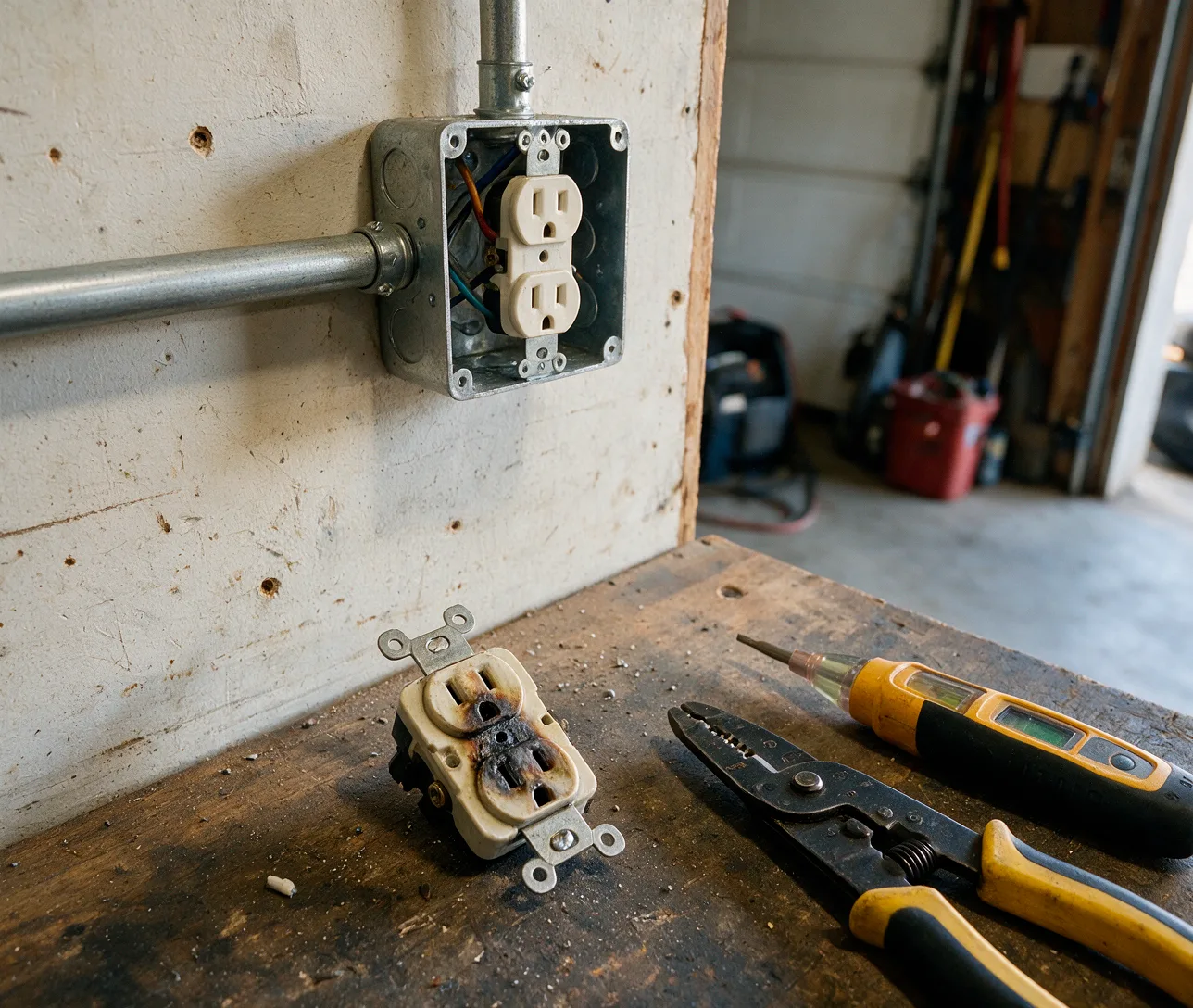
A newly replaced garage outlet with the old melted outlet on the workbench

Electrical Repair

When outlets stop working or switches feel warm, our technicians check for loose terminals and measure resistance along the run. Overloaded wires often cause heat buildup that spreads to neighboring outlets. Before calling, note which rooms are affected and whether the issue appeared after adding a new device.

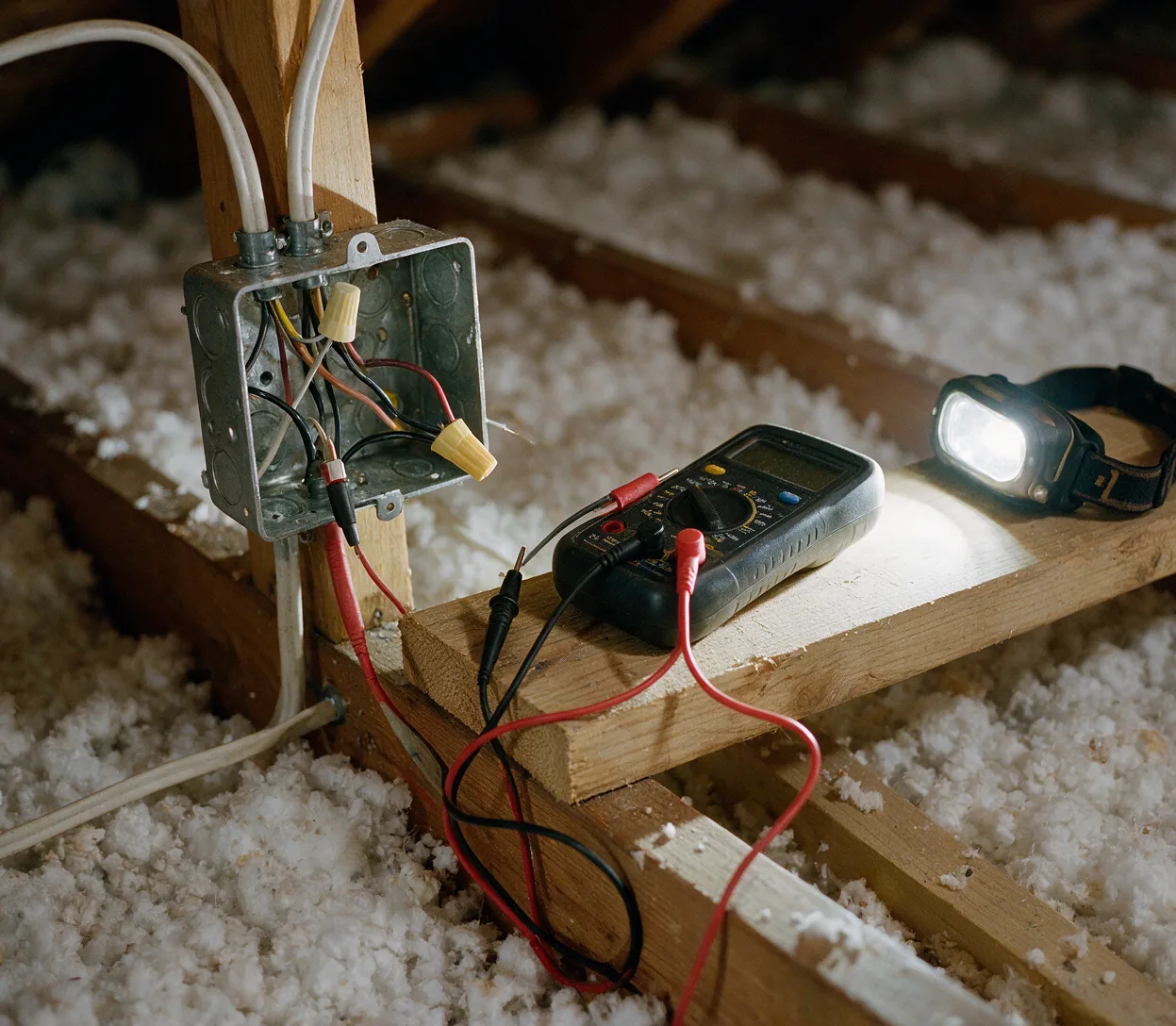
A multimeter testing an open junction box in an attic

Electrical Troubleshooting

Strange buzzing or intermittent power usually traces back to a failing connection or overloaded circuit. Our technicians use multimeters to trace current flow and compare readings against expected values. Homeowners can safely unplug everything on the affected circuit and reset any tripped breakers to see if the symptom returns.

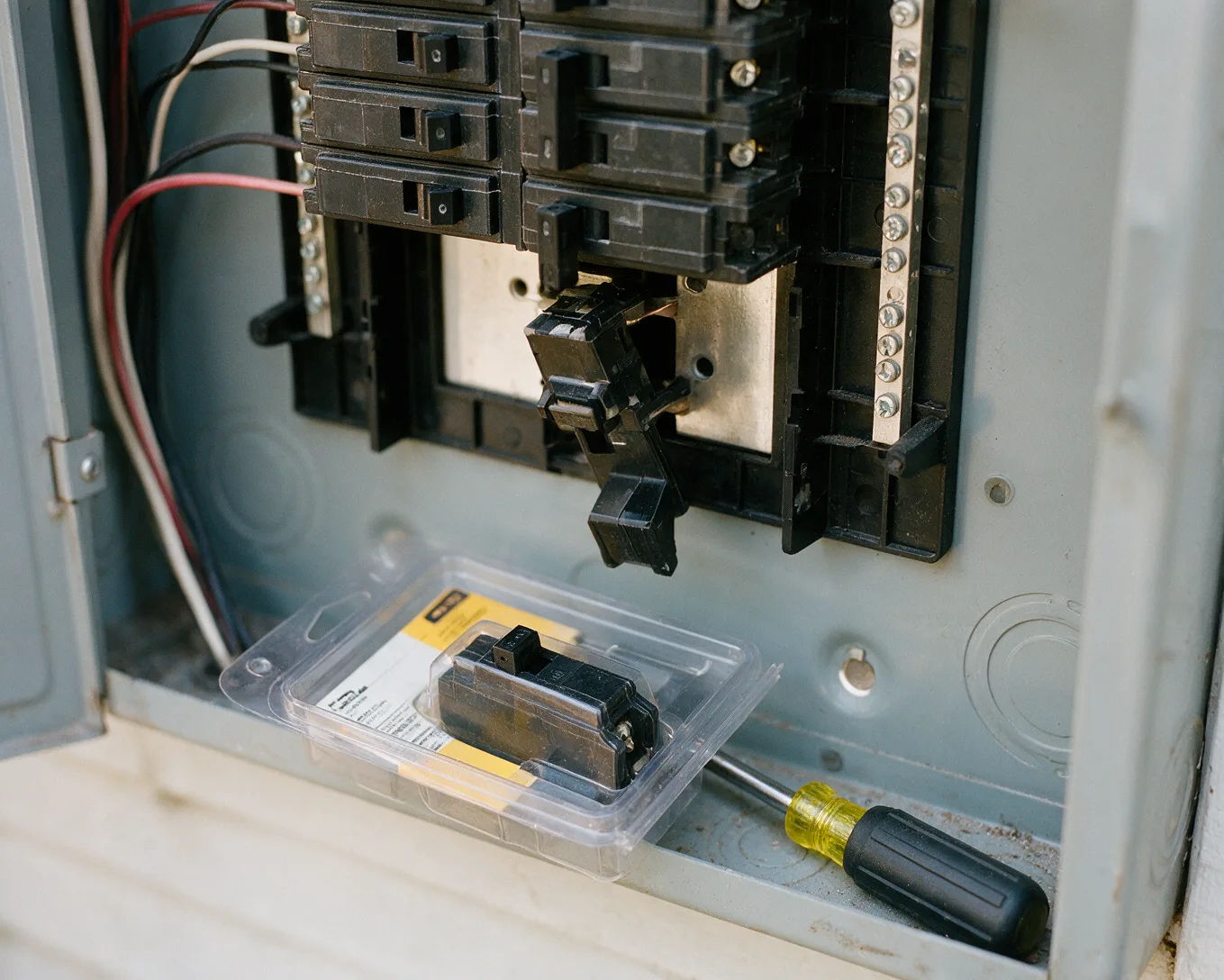
A circuit breaker removed from its slot in an open panel

Circuit Breaker Repair

Breakers that trip repeatedly point to either a shorted wire or a device drawing more current than the line rating allows. We test each breaker under load and examine the panel bus bars for corrosion. Before help arrives, avoid resetting a tripped breaker more than once and keep track of which appliances were running.

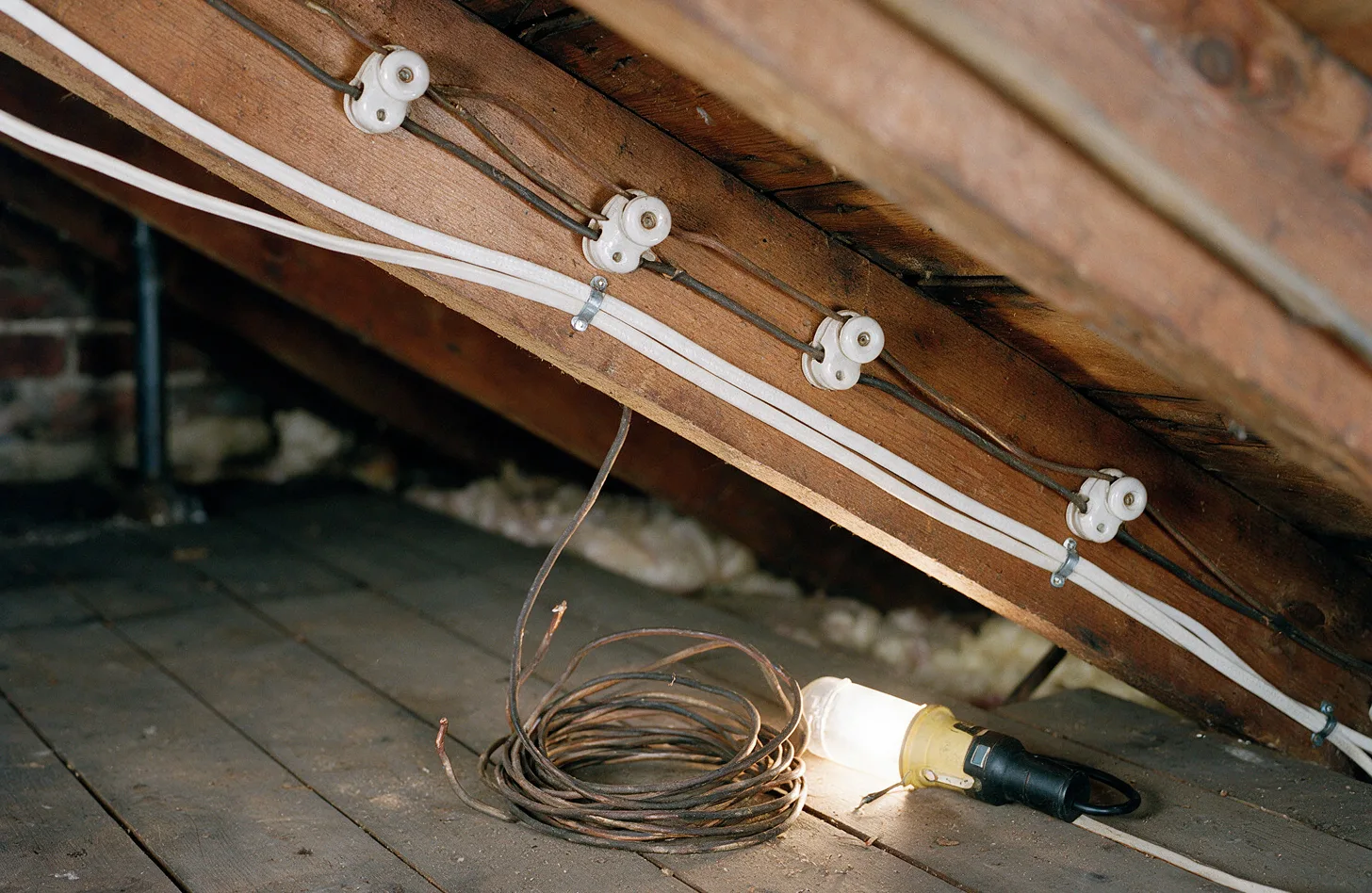
Old knob-and-tube wiring beside new cable in an attic

Home Rewiring

Older homes often have aluminum wiring or undersized cables that cannot handle modern appliance demands. Our technicians pull new conductors through existing pathways while preserving walls where possible. Checking the age of the home and counting how many outlets share one circuit gives useful clues before work begins.

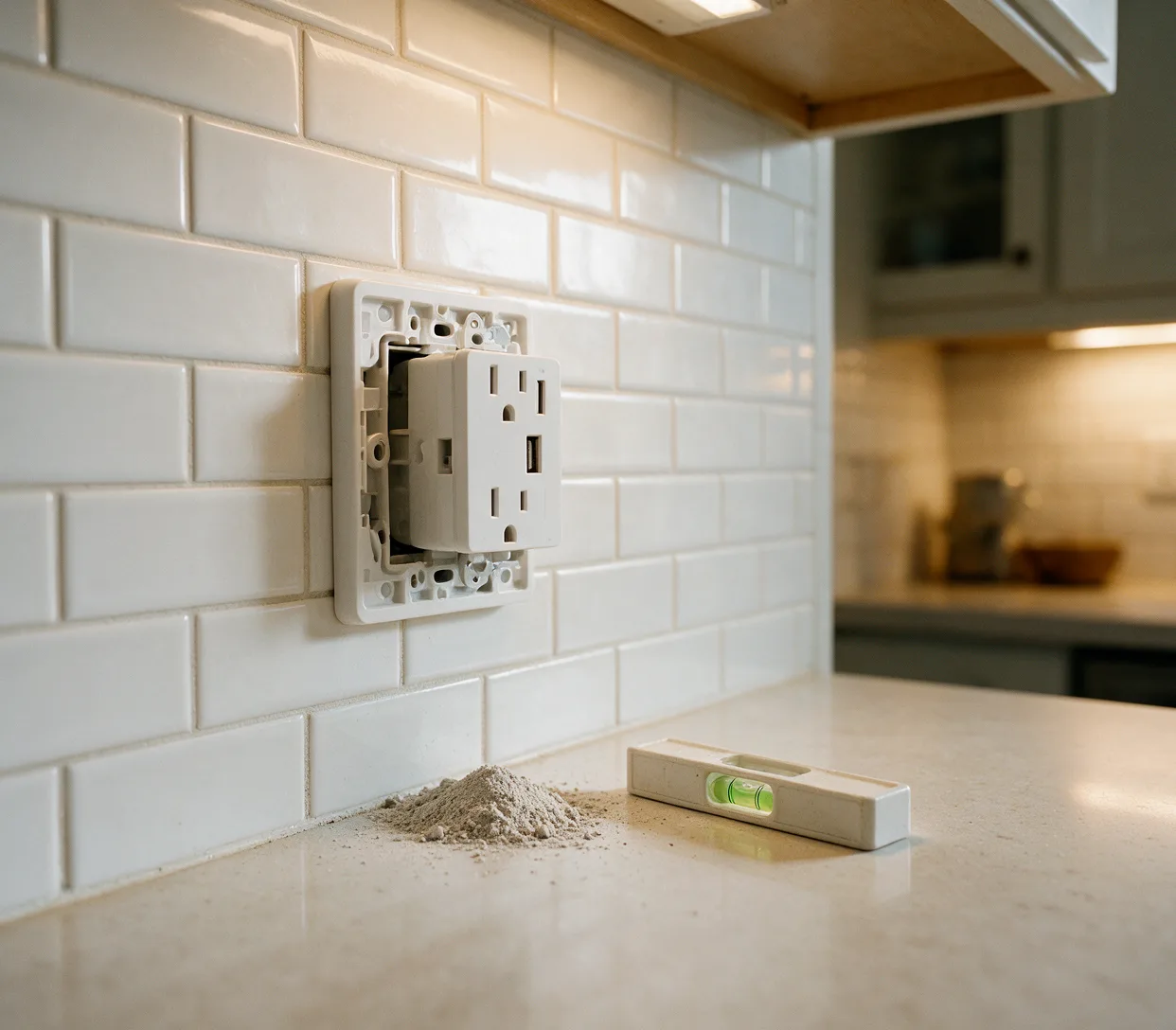
A new USB outlet installed in a kitchen tile backsplash

Outlet and Switch Installation

Adding an outlet requires matching wire gauge to expected amperage and securing the box firmly to framing. We verify polarity and ground continuity with each new device. Homeowners can mark the exact wall location and note nearby circuits to speed up the process when the team arrives.

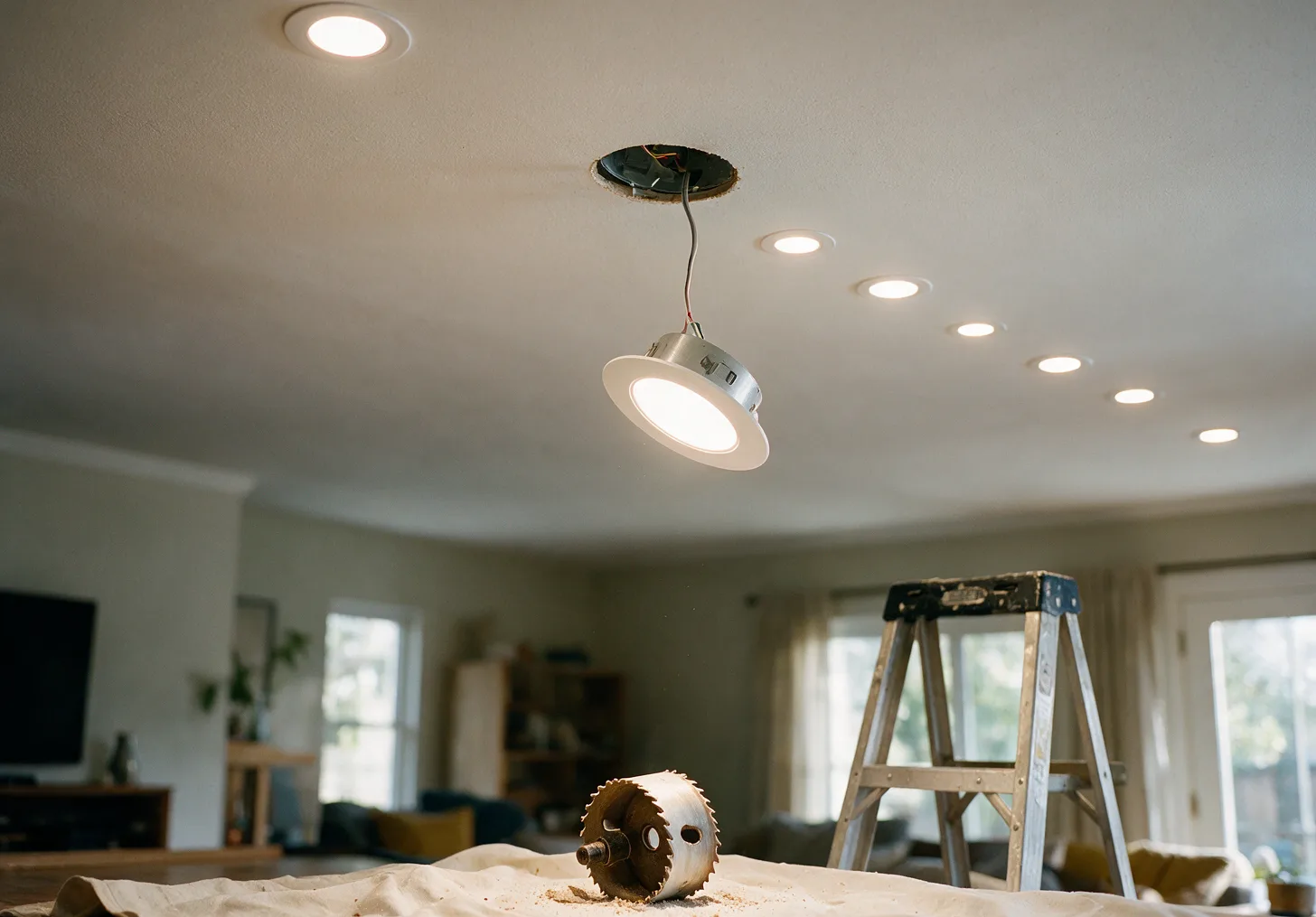
New slim recessed lights in a living room ceiling

Lighting Installation

New fixtures need proper support and wiring sized for the bulb load. Our technicians check ceiling boxes for secure mounting and confirm switch leg wiring before connecting anything. Dimming problems often start with incompatible drivers, so noting the type of existing switch helps narrow the cause quickly.

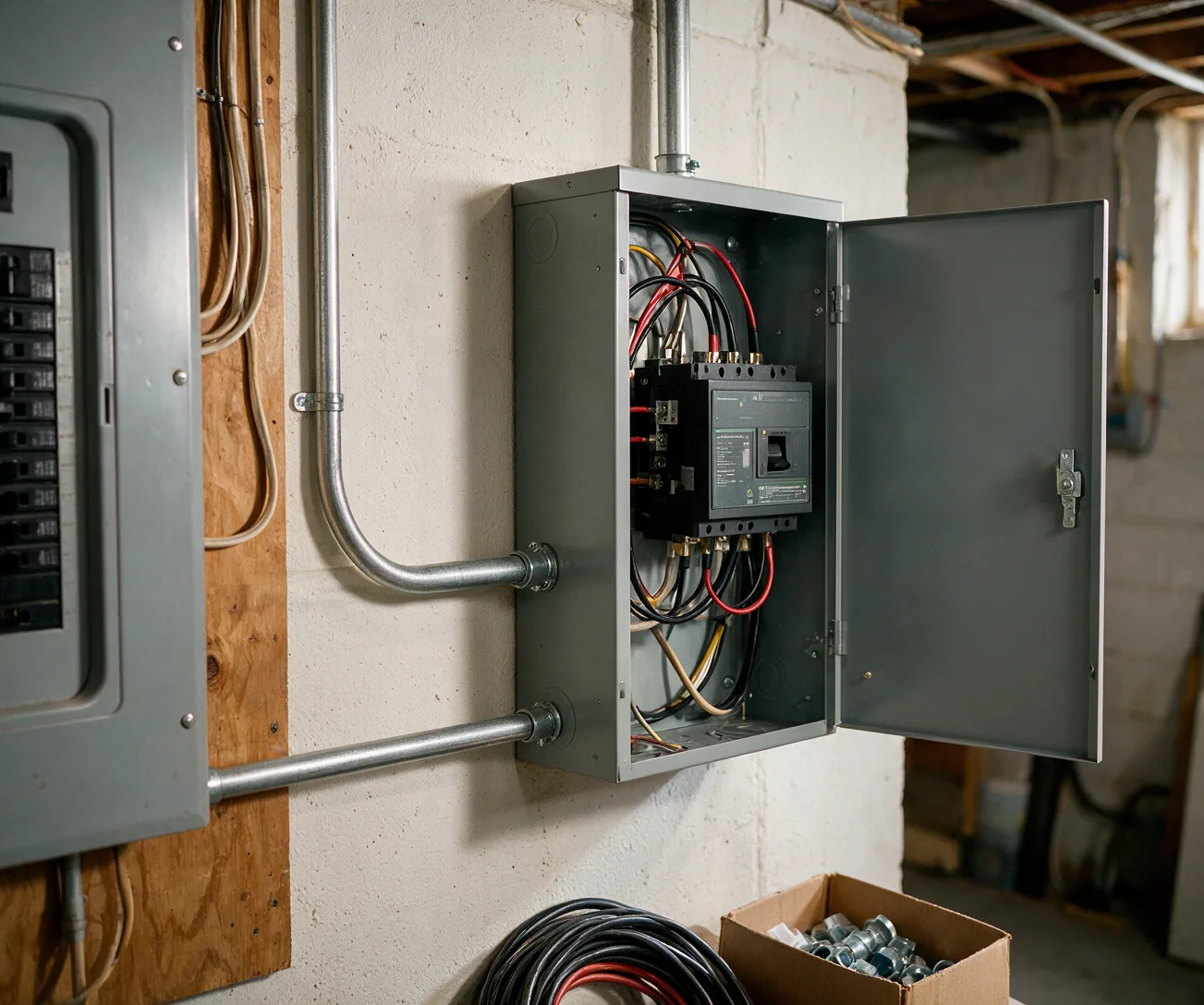
An automatic transfer switch mounted beside a breaker panel

Electrical Installation

Running power to a new room means calculating total load and choosing the correct breaker size. We route cables through studs and staple them at proper intervals. Homeowners benefit from deciding appliance locations ahead of time so circuits can be planned without later changes.

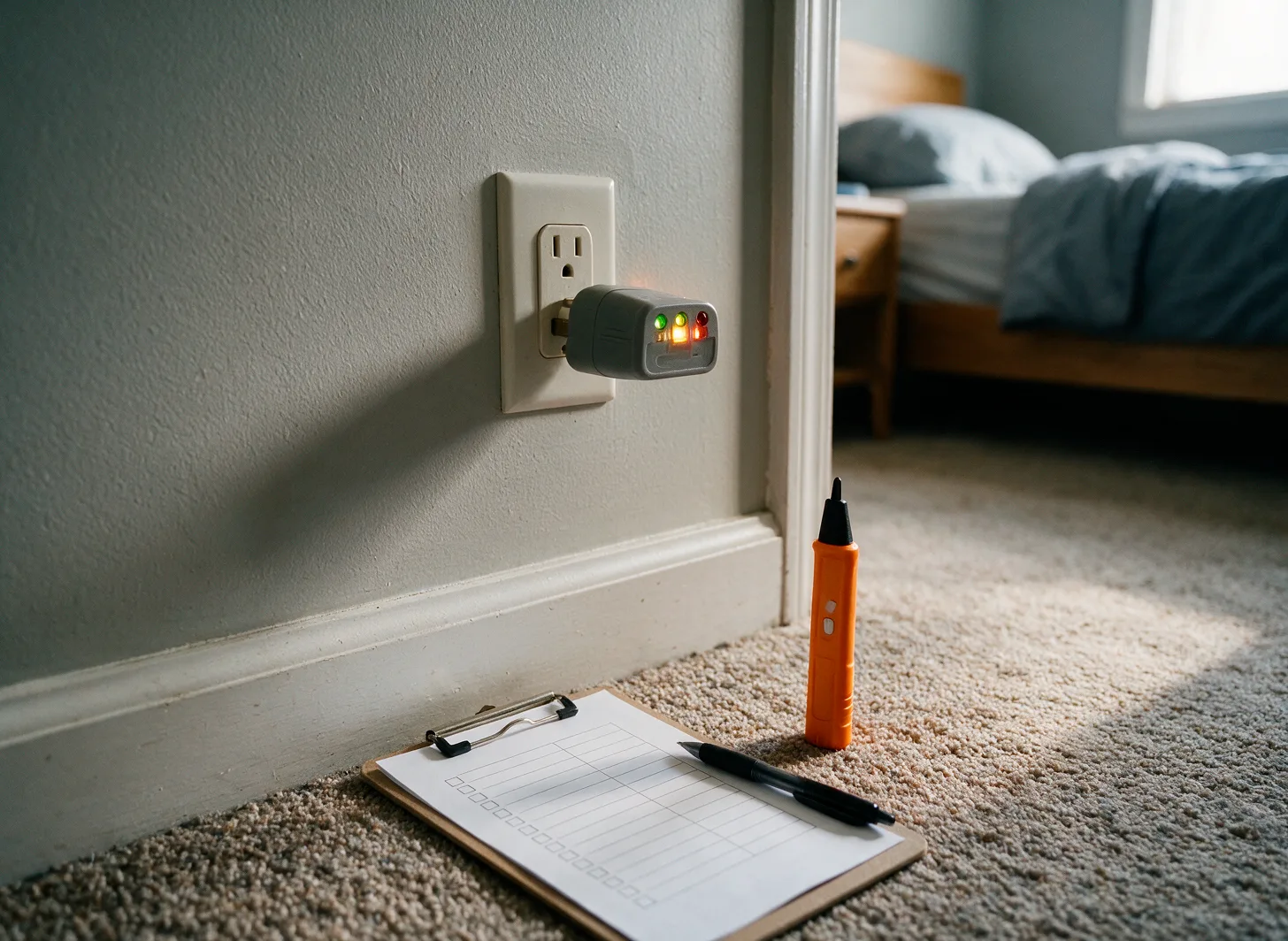
A plug-in outlet tester in a bedroom wall outlet

Electrical Safety Inspections

Inspections focus on detecting reversed polarity, missing grounds, and overloaded panels through systematic testing. We compare actual readings to code requirements for each circuit type. Homeowners can list any recent additions like EV chargers or workshop tools to guide which areas receive extra attention during the visit.

Matching symptoms to the right service

Start by noting whether the issue affects one outlet, an entire room, or the whole house. Single-device problems often fit under repair or outlet work, while widespread tripping suggests a panel or wiring review. Our technicians can explain the difference once they hear the pattern of when the symptom appears.

Compare the behavior to everyday examples like a garden hose losing pressure in one section versus the whole line. That mental picture helps decide between targeted troubleshooting and a broader inspection. Share those details when reaching out so the team brings the matching test equipment on the first visit.
Talk to Fulmer Electric

Call (855) 695-1602