Electrical Repair
Our technicians trace faults in outlets or fixtures by testing continuity and voltage drop. They replace damaged conductors or devices that cause intermittent power loss without disturbing the rest of the circuit.
Electrician · the USA
Fulmer Electric delivers electrical panel upgrades across the USA by assessing current capacity and replacing outdated equipment to support household needs safely and efficiently.
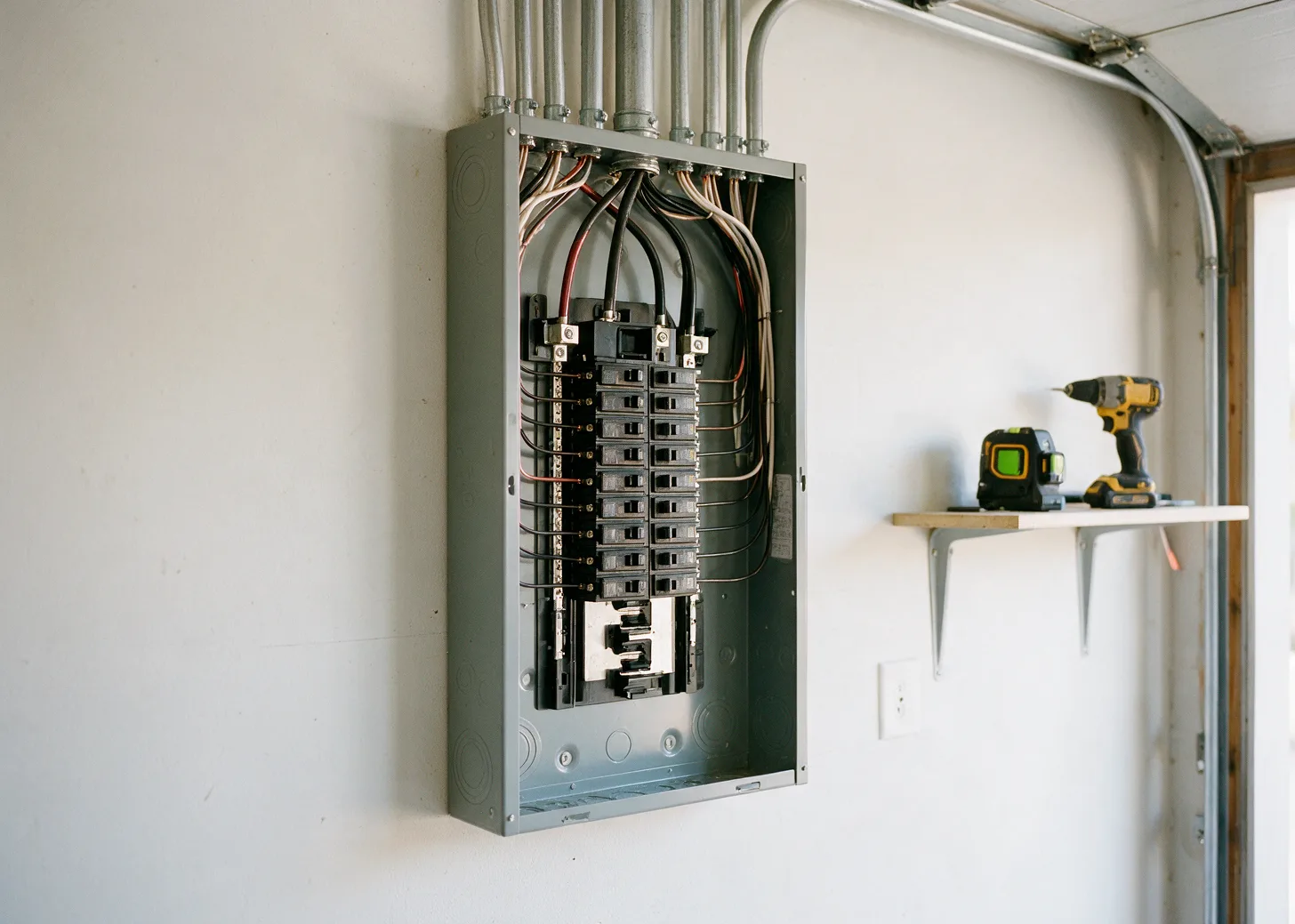
Technicians examine bus bars for discoloration and test each breaker under load to confirm which components need attention first.
We add up appliance amperage draws and compare them against the existing panel rating before deciding on any upgrade size.
Our team inspects insulation integrity and connection torque at every terminal to prevent future heat buildup or arcing.
Beyond panel upgrades, Fulmer Electric handles a range of electrical tasks that keep homes running smoothly. Each service addresses specific issues homeowners notice during daily use.
Our technicians trace faults in outlets or fixtures by testing continuity and voltage drop. They replace damaged conductors or devices that cause intermittent power loss without disturbing the rest of the circuit.
We follow a systematic approach starting at the panel and working outward to locate open neutrals or overloaded branches. Voltage readings at multiple points reveal where current stops flowing properly.
Technicians test breaker trip curves with a calibrated tester and replace units that fail to hold rated loads. They also check for heat at lugs that indicates poor contact before reinstalling covers.
We pull new conductors through existing pathways after confirming box fill limits. Each circuit receives updated protection sized to the wire gauge to eliminate shared neutrals that create shock hazards.
Technicians mount devices at code height and torque terminals to manufacturer specs. They verify grounding continuity with a meter so appliances receive steady power without nuisance trips.
Our team calculates fixture wattage against circuit capacity and installs switches or dimmers rated for the load type. They secure junction boxes to framing members so weight stays supported over time.
Fulmer Electric runs new circuits from the panel to dedicated loads such as EV chargers or workshops. Each run includes proper conduit support and labeling at both ends for future reference.
Technicians open panels and junction boxes to look for double-tapped breakers and undersized grounds. They document findings with photos and explain which items require correction first.
Homeowners often notice lights dimming when large appliances start or several breakers tripping during routine use. These signs point to an electrical panel that cannot distribute current evenly because its bus rating has been exceeded. Checking the panel label for its main breaker size gives a quick comparison against the total connected loads listed on appliance nameplates.
Another indicator appears when the panel cover feels warm to the touch or shows rust around the bottom edge. Both conditions develop when moisture or heat from overloaded lugs damages internal components. Homeowners can safely turn off unused breakers and note which circuits still cause problems before calling for help.
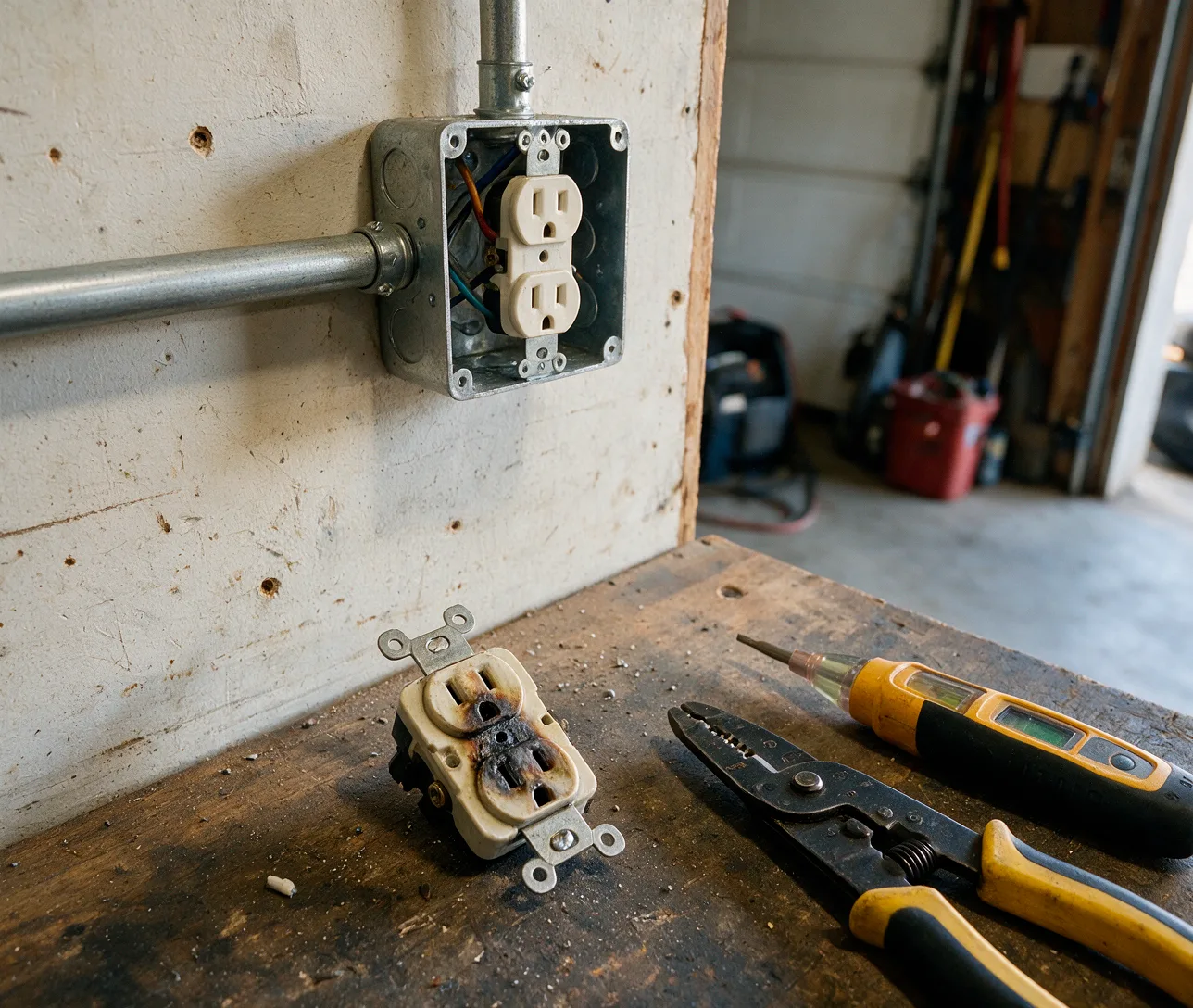
When multiple circuits fail at once, locate the main breaker and switch it off if any burning smell is present. This step removes power from the entire panel and prevents further damage while waiting for technicians. Keep a flashlight nearby since power will be unavailable during inspection.
Next, list the rooms or appliances that lost power and whether the issue began after adding new equipment. This information helps our team decide whether the panel needs more spaces or higher amperage before any tools are opened.
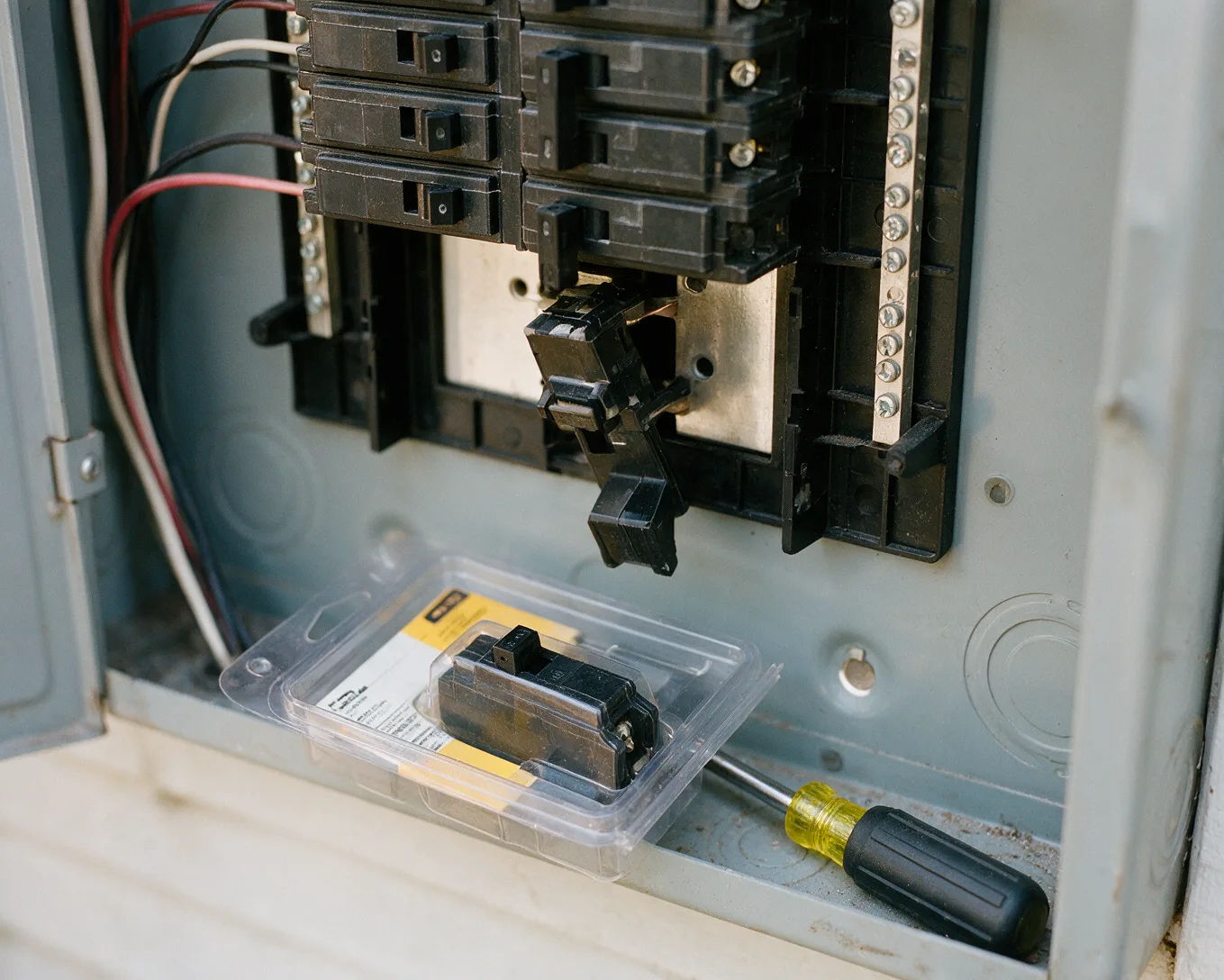
Fulmer Electric follows a clear sequence that keeps homeowners informed at every stage. Each step builds on the last to deliver a safe and code-compliant result.
Technicians review the panel label, count existing circuits, and add up nameplate amperages from major appliances to determine the required upgrade size.
We contact the local utility to schedule a service disconnect if the main breaker must be changed, then confirm the new meter base rating matches the upgraded panel.
Old breakers and wires transfer one by one into the new enclosure after all lugs are torqued to spec and each circuit receives updated labeling.
With power restored, we measure voltage at multiple outlets and run high-draw appliances to confirm the new panel handles loads without overheating or tripping.
Our technicians begin by removing the panel cover and scanning each breaker with an infrared thermometer to find hot spots. They then measure voltage on both legs under load to confirm the utility feed remains balanced. These readings establish whether the problem sits inside the panel or farther upstream.
After documenting existing wire sizes and circuit counts, they discuss options for adding spaces or increasing capacity. New breakers are installed only after torque specs are met and all neutrals are separated on their bar to reduce shared-current problems.
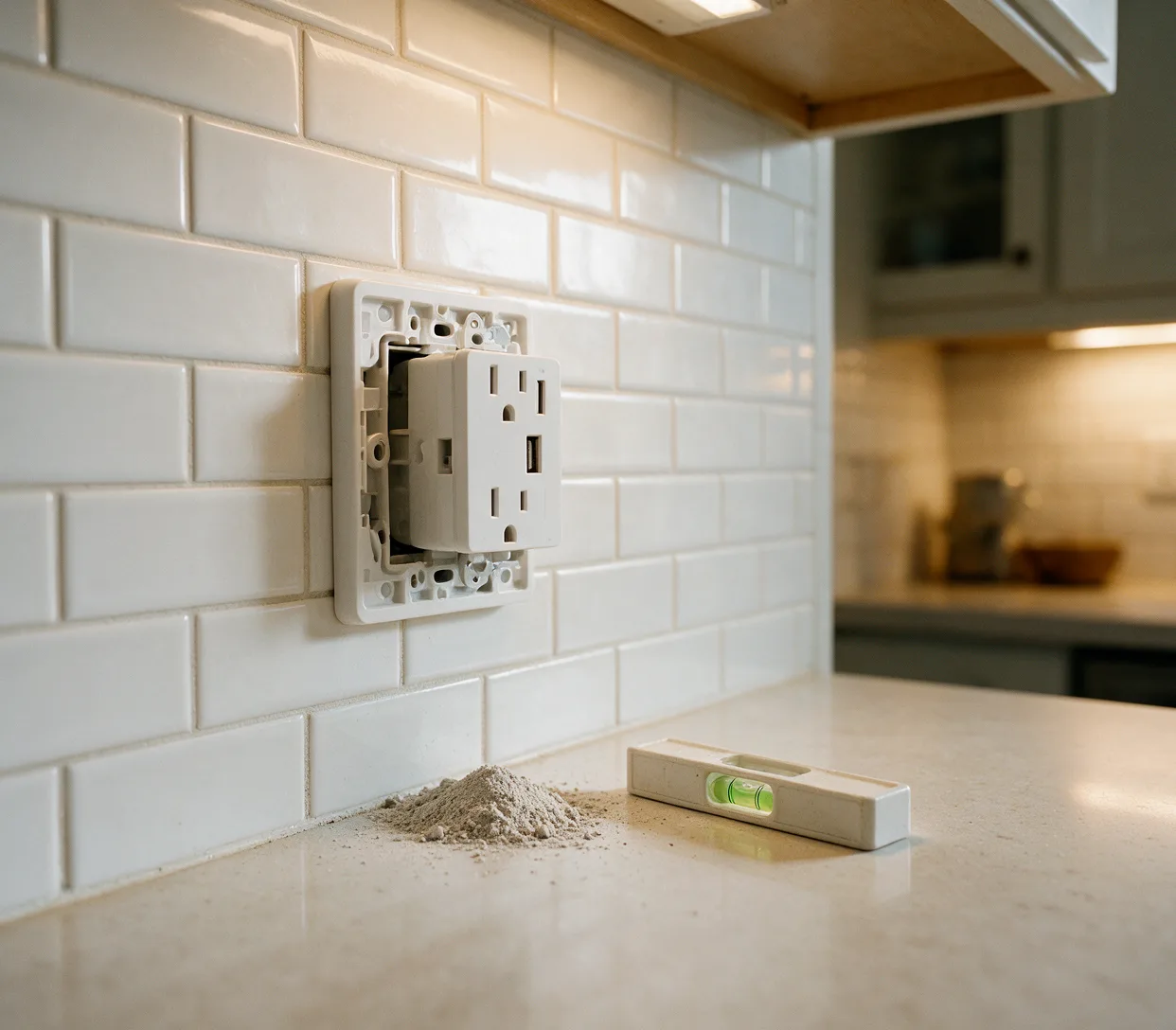
A repair makes sense when only one or two breakers show wear and the bus bars remain clean. Technicians replace just those components and retest the panel under load to verify stability. This approach avoids disturbing unaffected circuits that still meet household demand.
Replacement becomes necessary once the main breaker rating falls short of calculated loads or when the panel model lacks available spaces. In those cases we remove the old enclosure, install a larger one with the same footprint if possible, and transfer circuits one at a time so power returns quickly.
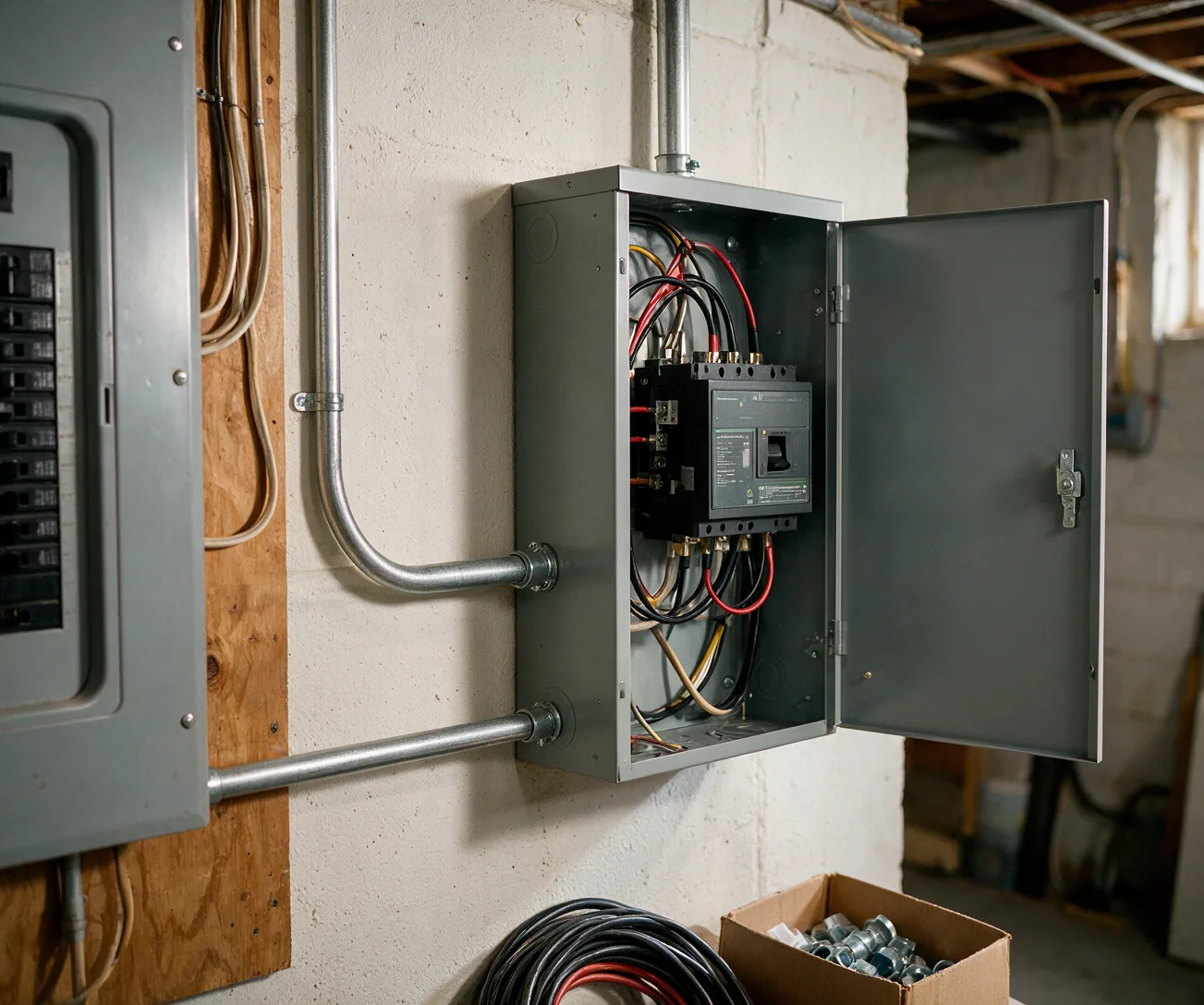
Panel size, number of circuits, and whether the service entrance cable needs replacement all influence the scope. Larger amperage panels require thicker wire and sometimes new conduit from the meter, which adds material and labor time. Homes with aluminum branch wiring may need additional connectors that affect the total work involved.
Site conditions such as panel location inside finished walls or limited access to the meter also change how long the job takes. Technicians evaluate these details during the first visit so homeowners receive a clear outline of what each option includes before any work starts.
Older homes often contain fuse boxes or split-bus panels that limit the number of full-size breakers available. Technicians evaluate whether the existing service entrance cable can support a larger main breaker or if that cable must be upgraded first. They also check for knob-and-tube wiring that requires new protection strategies.
Rental properties present extra steps because any panel change affects multiple units. We coordinate with property managers to schedule outages during low-occupancy hours and provide temporary power solutions where needed so tenants experience minimal disruption.
Frequent tripped breakers, dimming lights when appliances start, or warm spots on the cover all suggest the panel cannot keep up with demand. A technician can confirm by comparing your total load calculation against the main breaker rating.
Only if spare spaces exist and the bus rating still exceeds calculated loads. When spaces are full or the main breaker is undersized, a new panel becomes the safer long-term choice.
The utility shuts off power at the meter for a short window while the panel is swapped. Most homes regain power within a few hours once the new equipment passes inspection.
Circuits transfer one at a time so critical areas such as refrigerators or medical equipment can be restored first. Technicians prioritize these loads before finishing the remaining work.
Yes, because modern appliances exceed the capacity of most fuse systems and replacement parts are scarce. A new breaker panel offers better protection and room for future additions.
Property owners must approve any change to the service equipment. Once permission is granted, technicians schedule around tenant needs and provide advance notice of the planned outage window.
Contact Fulmer Electric to schedule an assessment of your current panel and discuss upgrade options suited to your home across the USA.