
Electrical Installation in the USA
Fulmer Electric technicians begin every Electrical Installation by measuring the main panel capacity and calculating the additional amperage draw from new devices or circuits. They check wire gauge sizes, voltage drop over distance, and available breaker spaces to prevent future overloads. This step ensures the new work integrates cleanly with the home's existing setup.
Once the assessment is complete our team selects the right materials such as 12-gauge copper wire for twenty-amp circuits or AFCI-protected breakers where code requires them. Technicians then map out the shortest safe routes for runs while avoiding plumbing and HVAC lines. Homeowners can turn off power to the affected area and clear furniture beforehand to speed the process. For electrical installation, Fulmer Electric works across the USA.
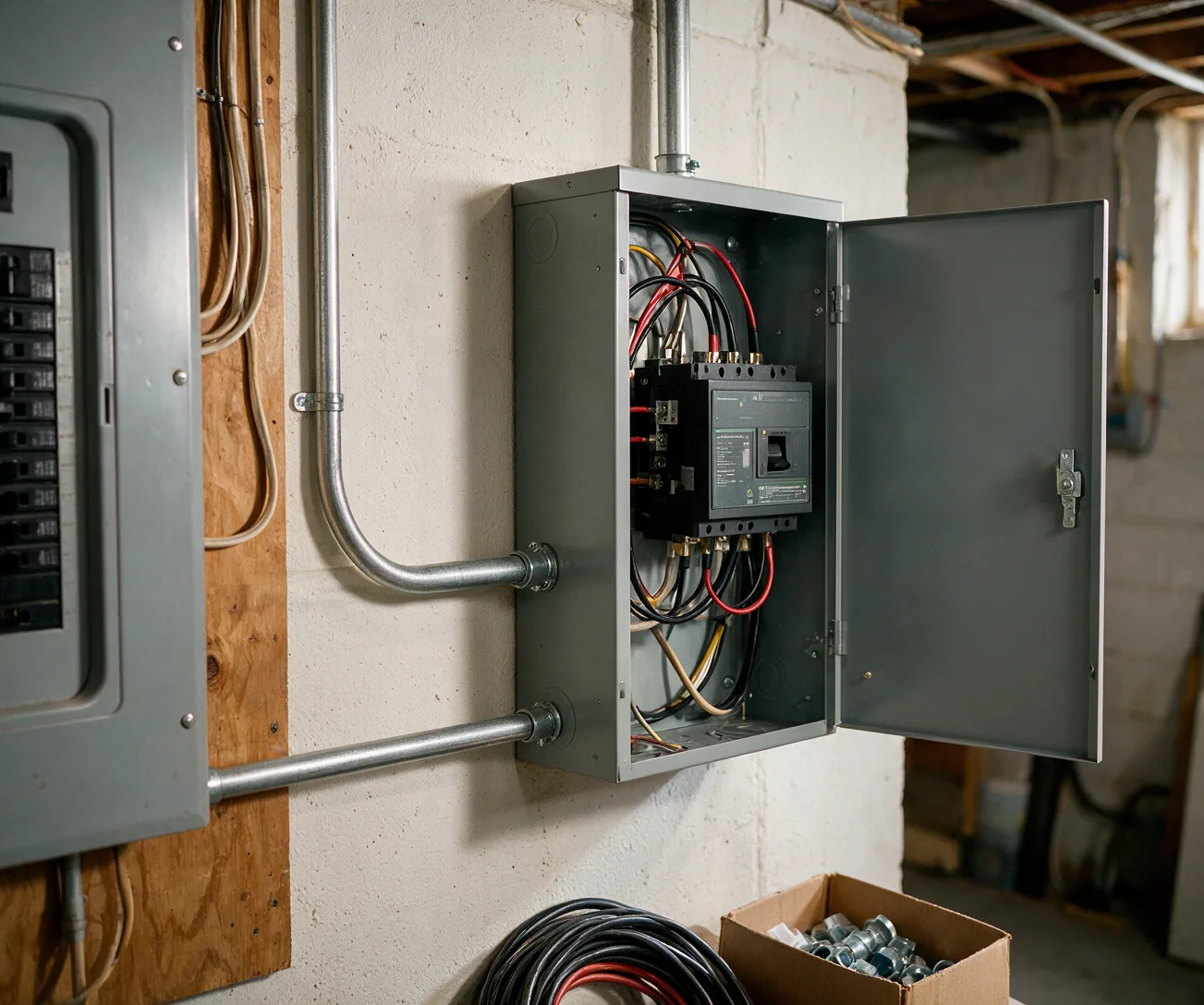
Signs Your Home Needs Electrical Installation
- Existing outlets are spaced too far apart for everyday furniture arrangements and device use.
- New appliances or tools consistently cause breakers to trip under normal loads.
- Rooms lack dedicated circuits for high-draw equipment like workshop tools or entertainment centers.
- Home additions or finished basements have no outlets or lighting wired yet.
- Older two-prong receptacles need replacement with grounded outlets for modern electronics.
Determining When New Circuits Become Necessary
Power demands grow when homeowners add workshops, home offices, or large appliances that exceed the original circuit capacity. Technicians measure running and startup amperage on each new item to see whether a dedicated twenty-amp or thirty-amp line is required. They also verify that the main service can handle the added load before any wiring begins.
Undersized circuits often show voltage drop when multiple devices run together, which shortens equipment life and creates heat at connections. Our technicians use a multimeter to confirm actual voltage at the panel and at the farthest planned outlet location. This data guides the choice between running new wire or upgrading the feeder.
Selecting Proper Materials for Safe Installations
Copper conductors sized for the amperage prevent overheating, while AFCI or GFCI breakers protect against arc faults and ground faults depending on the room type. Technicians choose UL-listed boxes, clamps, and straps that match the wire size and building method. They avoid aluminum wire for new branch circuits because copper offers better long-term conductivity in residential settings.
Conduit or cable type is chosen according to exposure: NM cable works inside finished walls, while PVC or EMT conduit suits garages and basements where physical protection is needed. All devices installed carry the correct amperage and voltage ratings so they match the circuit they serve.
How Technicians Complete the Physical Work
After turning off the main breaker, technicians pull cable through drilled studs or joists while maintaining proper support spacing every four and a half feet. They staple wires within twelve inches of boxes and leave adequate slack for future device changes. Junction boxes are mounted flush and covered with labeled blanks when not used immediately.
Once conductors reach the panel, wires are landed on the correct breaker terminals and torqued to manufacturer specifications. Technicians then test each new circuit for proper polarity, ground continuity, and absence of shorts before restoring power. Final checks include verifying that new outlets read one-hundred-twenty volts under load.
What Homeowners Can Prepare Before Technicians Arrive
Clearing the work area of furniture and fragile items gives technicians safe access to walls and ceilings. Homeowners should also note which appliances or rooms will use the new circuits so the layout can be planned efficiently. Providing a list of any planned future additions helps avoid rework later.
Turning off power to the affected area at the breaker and confirming it with a non-contact voltage tester protects both the homeowner and the crew. Leaving a clear path to the main panel and keeping pets secured prevents interruptions during the installation.
Electrical Installation questions
How long does a typical Electrical Installation take?
Time varies with the number of circuits and access conditions. A single new twenty-amp line with three outlets often takes four to six hours from start to finish. Larger jobs that require panel modifications or long conduit runs can span one or two full days.
Can I install new outlets myself to save time?
Homeowners may replace existing devices if the wiring is already present and properly grounded. Running new cable or adding circuits involves panel work and load calculations that require trained technicians to keep the system safe and code compliant.
What type of wire is used for most home circuits?
Twelve-gauge copper NM cable is standard for twenty-amp general-use circuits. Fourteen-gauge copper works for fifteen-amp lighting circuits. Technicians match wire size to breaker rating and length to keep voltage drop under three percent.
Do new installations require changes to the main panel?
If spare breaker spaces exist and total load calculations allow it, no panel upgrade is needed. When spaces are full or the service is undersized, technicians add a subpanel or replace the main breaker box to accommodate the added circuits safely.
Schedule Electrical Installation Work Today
Contact Fulmer Electric to discuss your Electrical Installation needs across the USA and receive a detailed plan for your project.