
Electrical Safety Inspections in the USA
Our technicians begin every Electrical Safety Inspections visit by locating the main panel and mapping each circuit to its connected loads. They note breaker ratings against actual wire sizes and look for signs of overheating on lugs and bus bars. This step reveals whether the system can handle modern appliance demands without creating fire hazards.
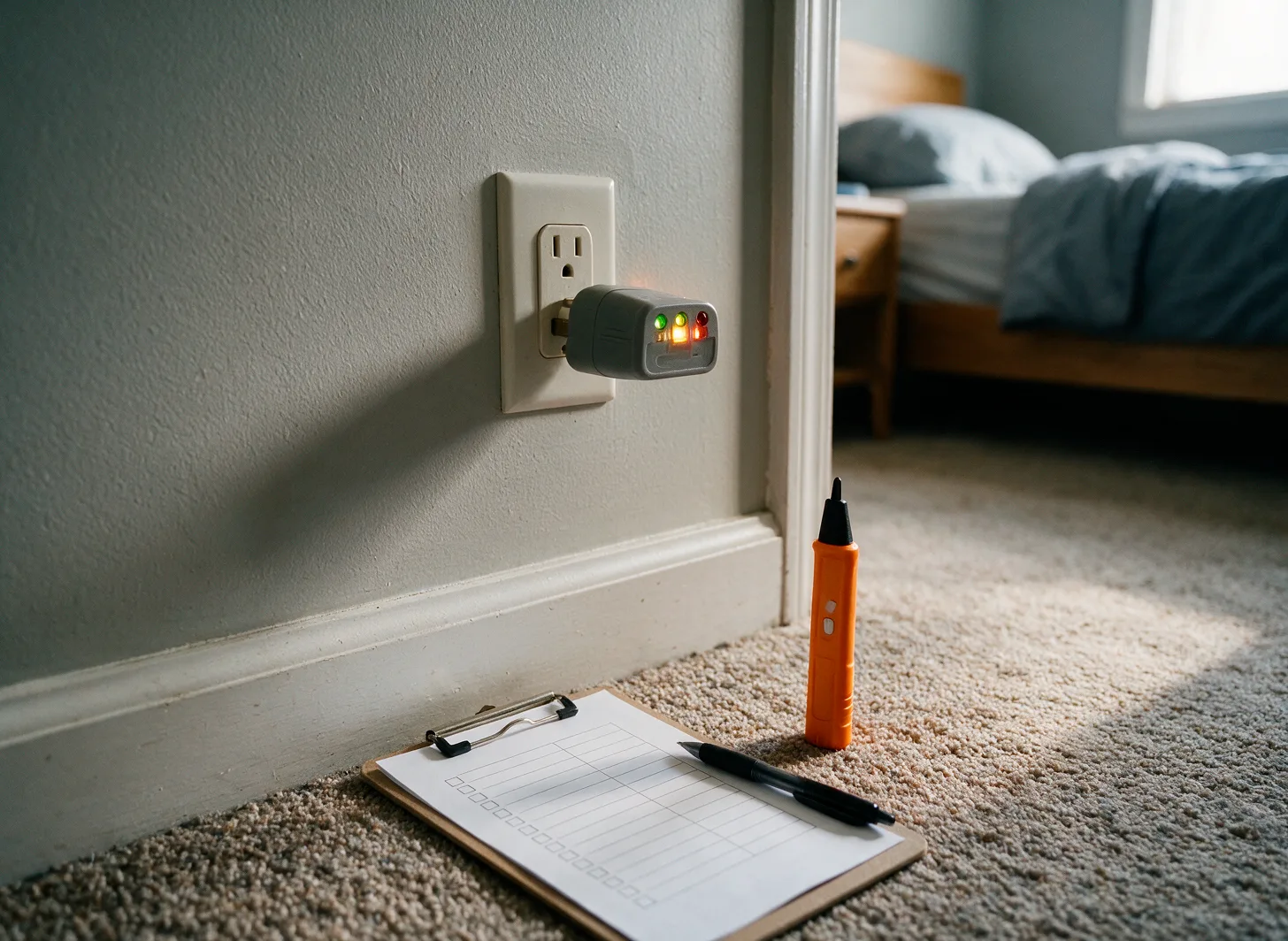
Next they test every accessible outlet and switch for proper polarity and grounding. Technicians also verify that GFCI and AFCI protection exists where code requires it and measure voltage drop under load. These checks show whether wiring has aged or been altered in ways that create shock or arc risks. Calls about electrical safety inspections reach Fulmer Electric from all over the USA.
Warning Signs During Daily Use
- Breakers trip repeatedly on the same circuit
- Outlets feel warm when appliances run
- Lights dim when larger motors start
- Burning smell near the panel or switches
- Two-prong outlets in rooms with new equipment
What Technicians Inspect and Measure
Technicians remove the panel cover and inspect for corrosion, missing knockouts, and double-tapped breakers. They measure incoming service amperage and compare it to the main breaker rating while checking the condition of the neutral and ground bars.
They scan for aluminum branch wiring and note any signs of oxidation or loose connections at receptacles. Voltage readings are taken at the furthest outlets to confirm acceptable drop levels under typical household loads.
Grounding electrode connections are examined for continuity back to the panel. Technicians also confirm that outdoor receptacles and kitchen and bath circuits have working GFCI protection.
Common Causes of Safety Concerns
Older homes often have panels with insufficient breaker spaces or undersized service entrance cables for added appliances. Continuous overloading causes heat buildup on connections that eventually loosens lugs and damages insulation.
Do-it-yourself additions frequently mix wire gauges or omit proper grounding paths. Aluminum wiring installed in the 1960s and 1970s can expand and contract, creating high-resistance joints that overheat under normal use.
Missing or failed AFCI breakers leave bedroom and living area circuits unprotected from series and parallel arcing that can ignite hidden wood framing.
Repair and Install Options
When inspection reveals overloaded circuits, technicians can split loads onto new dedicated runs using appropriately sized copper conductors. They may replace individual breakers or add tandem units if the panel bus allows it.
For panels with insufficient capacity or damage, options include installing a new larger main panel or adding a subpanel in a separate location. Grounding upgrades often involve driving additional rods or bonding metal water pipes where permitted.
Receptacle work focuses on replacing two-prong outlets with grounded three-prong versions and adding GFCI or AFCI protection at the first device on each circuit to avoid full rewiring.
Materials and Parts Commonly Used
Technicians stock standard and AFCI or GFCI combination breakers sized to match existing wire gauges. Copper NM cable in 12 and 14 AWG is carried for new branch circuits while larger SER cable is used for service or subpanel feeds.
Grounding materials include copper grounding rods, mechanical clamps, and bare or green insulated bonding wire. Receptacles are chosen with screw terminals and listed for copper conductors.
When aluminum wiring is present, CO/ALR rated devices or pigtail connectors listed for the transition are used to maintain safe connections without full replacement.
Electrical Safety Inspections questions
How long does an Electrical Safety Inspections visit take?
Time varies with home size and panel access. Technicians usually finish the full inspection, measurements, and written findings within two to three hours for a typical single-family house.
Can I reset tripped breakers myself before the visit?
You can reset a breaker once after unplugging the last device that was running. If it trips again, leave it off and note which rooms lost power so technicians can trace the fault quickly.
What should I do if I smell burning near outlets?
Turn off the breaker for that circuit at the panel and avoid using any outlets on it. Keep the area clear and wait for our technicians to arrive rather than attempting further checks.
Will the inspection require removing drywall?
Most checks happen at the panel, outlets, and switches. Only when hidden junction boxes or damaged cable must be located does limited access become necessary, and technicians discuss options first.
Schedule Electrical Safety Inspections
Contact Fulmer Electric to arrange an inspection that reviews your panel, wiring, and protection devices across the USA.